Zcash Privacy Review: Is This Privacy Coin the Best Choice for Anonymous Transactions?
Zcash Privacy Review: Is This Privacy Coin the Best Choice for Anonymous Transactions?
In the ever-evolving world of cryptocurrency, privacy has become a cornerstone for users seeking financial anonymity. Among the plethora of privacy-focused coins, Zcash stands out as a pioneer, offering advanced cryptographic techniques to shield transactions from prying eyes. This Zcash privacy review delves deep into the technology, features, and real-world applications of Zcash, helping you determine if it’s the right choice for your privacy needs.
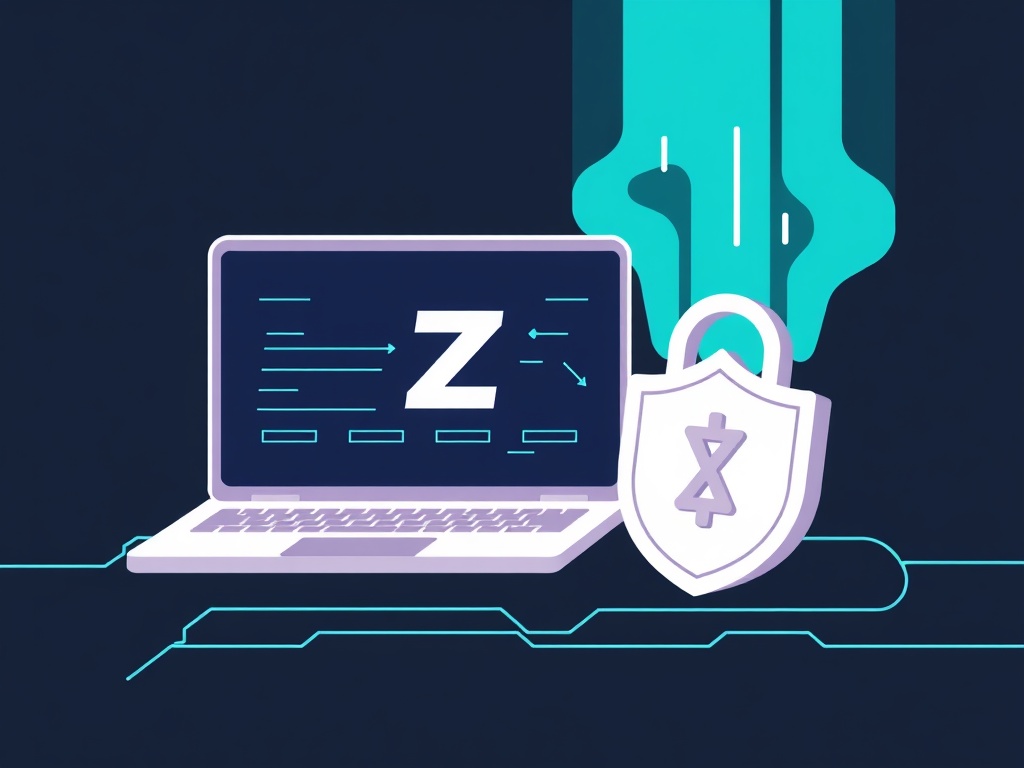
Unlike Bitcoin, which operates on a transparent ledger, Zcash leverages zk-SNARKs (Zero-Knowledge Succinct Non-Interactive Arguments of Knowledge) to enable shielded transactions. This means that while transaction details are recorded on the blockchain, the sender, recipient, and amount remain confidential. But is Zcash truly private, and how does it compare to other privacy coins? Let’s explore.
Understanding Zcash: The Technology Behind the Privacy Coin
What Is Zcash and How Does It Work?
Launched in 2016 by a team of cryptographers and engineers, Zcash is a decentralized, open-source cryptocurrency designed to provide enhanced privacy. It is a fork of Bitcoin, meaning it shares the same foundational code but introduces significant privacy enhancements. The core innovation of Zcash is its use of zk-SNARKs, a cryptographic proof that allows transactions to be verified without revealing any sensitive information.
In a traditional blockchain like Bitcoin, every transaction is publicly visible, including wallet addresses and transaction amounts. Zcash, however, offers two types of transactions:
- Transparent Transactions: These are similar to Bitcoin transactions, where details are visible on the blockchain.
- Shielded Transactions: These use zk-SNARKs to hide sender, recipient, and amount, ensuring complete privacy.
Users can choose between these two types, giving them flexibility depending on their privacy needs.
The Role of zk-SNARKs in Zcash Privacy
At the heart of Zcash’s privacy features is zk-SNARKs, a form of zero-knowledge proof. This cryptographic method allows one party (the prover) to convince another party (the verifier) that a statement is true without revealing any additional information. In the context of Zcash:
- The sender proves they have the right to spend the funds without disclosing the amount or recipient.
- The transaction is validated by the network without exposing sensitive data.
- Only the transaction hash and a note of its validity are recorded on the blockchain.
This technology ensures that even if someone analyzes the blockchain, they cannot trace the flow of funds or link transactions to specific individuals. However, it’s important to note that zk-SNARKs require a trusted setup during the initial coin launch, which has raised some concerns about potential vulnerabilities.
Zcash vs. Bitcoin: A Privacy Comparison
While Bitcoin is often hailed as a decentralized currency, its transparent ledger is a significant drawback for users seeking privacy. Every Bitcoin transaction is traceable, and with enough effort, it’s possible to link addresses to real-world identities. Zcash, on the other hand, offers a stark contrast:
| Feature | Bitcoin | Zcash |
|---|---|---|
| Transaction Visibility | Public (all details visible) | Optional (transparent or shielded) |
| Privacy Mechanism | None (pseudonymous) | zk-SNARKs for shielded transactions |
| Traceability | High (transactions can be linked) | Low (shielded transactions are untraceable) |
| Adoption | Widespread (accepted by most exchanges) | Growing but limited (fewer merchants accept Zcash) |
While Bitcoin’s privacy is limited to pseudonymity, Zcash provides true anonymity for shielded transactions. However, this comes with trade-offs in terms of adoption and usability.
Evaluating Zcash’s Privacy Features: Strengths and Weaknesses
The Strengths of Zcash’s Privacy Model
Zcash’s privacy features are among the most robust in the cryptocurrency space. Here’s what makes it stand out:
- End-to-End Encryption: Shielded transactions are encrypted end-to-end, ensuring that only the sender and recipient can access the details.
- Selective Disclosure: Users can choose to reveal transaction details if needed, such as for audits or regulatory compliance.
- Decentralized Privacy: Unlike privacy coins that rely on mixing services, Zcash’s privacy is built into the protocol, reducing reliance on third parties.
- Strong Community Support: Zcash is backed by a dedicated team and community, ensuring continuous development and improvement.
These features make Zcash a compelling choice for users who prioritize privacy without sacrificing decentralization.
The Weaknesses and Potential Risks of Zcash
Despite its strengths, Zcash is not without its challenges. Here are some key concerns to consider:
- Trusted Setup Controversy: The initial setup of zk-SNARKs required a toxic waste phase, where some parameters had to be destroyed to prevent counterfeiting. While this was done securely, it remains a point of contention for some users.
- Limited Shielded Adoption: Despite its privacy features, most Zcash transactions are transparent. Shielded transactions account for only a small fraction of total transactions, which may limit its effectiveness in real-world privacy scenarios.
- Regulatory Scrutiny: Governments and regulators are increasingly focusing on privacy coins, and Zcash may face restrictions in certain jurisdictions.
- Performance Overhead: zk-SNARKs require significant computational power, which can slow down transaction processing times compared to transparent transactions.
These weaknesses highlight the need for users to weigh the benefits against the potential risks before adopting Zcash for privacy purposes.
How Private Is Zcash Really? A Deep Dive into Anonymity
One of the most common questions in any Zcash privacy review is: How private is Zcash, really? The answer depends on how you use it.
For shielded transactions, Zcash offers a high degree of privacy. Since zk-SNARKs hide all transaction details, it’s nearly impossible to trace funds or link addresses to identities. However, privacy is only as strong as the user’s operational security. For example:
- Address Reuse: Reusing shielded addresses can weaken privacy, as it allows third parties to link transactions.
- Metadata Leakage: While the transaction itself is private, metadata such as IP addresses or wallet fingerprints can still be exposed if proper precautions aren’t taken.
- Exchange Compliance: Many exchanges require KYC (Know Your Customer) verification, which can link Zcash transactions to real-world identities if users deposit or withdraw funds from regulated platforms.
To maximize privacy, users should follow best practices such as:
- Using shielded addresses exclusively.
- Avoiding transparent transactions when possible.
- Using a VPN or Tor to mask IP addresses.
- Withdrawing Zcash to a non-custodial wallet rather than keeping it on an exchange.
By taking these steps, users can significantly enhance the privacy of their Zcash transactions.
Real-World Use Cases: Where Does Zcash Shine?
Zcash in E-Commerce and Payments
While Bitcoin and other cryptocurrencies are widely accepted in e-commerce, Zcash’s privacy features make it an attractive option for users who want to keep their financial activities discreet. Some merchants and platforms that accept Zcash include:
- Overstock: A major online retailer that accepts Zcash for purchases.
- Namecheap: A domain registration service that supports Zcash payments.
- Bitrefill: A platform for buying gift cards with cryptocurrency, including Zcash.
These use cases demonstrate Zcash’s potential as a privacy-focused payment method, though its adoption remains limited compared to more established cryptocurrencies.
Zcash for Whistleblowers and Journalists
Privacy coins like Zcash are often used by individuals who need to protect their identities, such as whistleblowers, journalists, and activists. For example:
- Secure Communication: Journalists can receive payments for sensitive stories without revealing their identities.
- Donations: Activist groups can accept donations in Zcash, ensuring that donors remain anonymous.
- Censorship Resistance: In countries with strict financial surveillance, Zcash can provide a way to transact without fear of government interference.
These use cases highlight Zcash’s role as a tool for financial freedom and privacy in oppressive regimes.
Zcash in the Dark Web and Illicit Activities
While Zcash is designed for privacy, it’s important to acknowledge that its features can be exploited for illicit purposes. The dark web has seen an increase in the use of privacy coins like Zcash for:
- Black market transactions.
- Ransomware payments.
- Money laundering.
However, it’s crucial to note that Zcash’s development team and community actively discourage illegal activities. The technology itself is neutral, and its misuse does not reflect on the coin’s intended purpose of providing financial privacy for legitimate users.
Zcash vs. Other Privacy Coins: How Does It Stack Up?
Zcash vs. Monero: The Privacy Showdown
Monero is often considered Zcash’s biggest competitor in the privacy coin space. Both coins prioritize anonymity, but they take different approaches:
| Feature | Zcash | Monero |
|---|---|---|
| Privacy Mechanism | zk-SNARKs (selective transparency) | Ring Signatures + Stealth Addresses (always private) |
| Transaction Privacy | Optional (shielded or transparent) | Mandatory (all transactions are private) |
| Adoption | Growing but limited | Widespread (accepted by more merchants) |
| Performance | Slower due to zk-SNARKs | Faster (no complex proofs required) |
| Regulatory Pressure | Moderate (some exchanges delist privacy coins) | High (Monero is banned in some countries) |
While Zcash offers the flexibility of transparent transactions, Monero enforces privacy by default. This makes Monero more appealing to users who want guaranteed anonymity, whereas Zcash caters to those who prefer selective privacy.
Zcash vs. Dash: Privacy as an Optional Feature
Dash is another privacy-focused cryptocurrency, but its approach differs significantly from Zcash. Dash uses a feature called PrivateSend, which mixes transactions to obscure their origins. However, this method is less robust than zk-SNARKs:
- PrivateSend Limitations: PrivateSend relies on a mixing process that can be vulnerable to timing attacks or collusion among nodes.
- Centralization Risks: Dash’s masternode system introduces a level of centralization, which contrasts with Zcash’s decentralized model.
- Adoption: Dash is more widely accepted in commerce, but its privacy features are less reliable than Zcash’s.
For users seeking strong privacy guarantees, Zcash is generally a better choice than Dash.
Zcash vs. Grin and Beam: Mimblewimble Privacy Coins
Grin and Beam are newer privacy coins that use the Mimblewimble protocol, which combines Confidential Transactions and CoinJoin to obscure transaction details. Compared to Zcash:
- Transaction Size: Mimblewimble transactions are smaller and more scalable than Zcash’s zk-SNARKs.
- Privacy by Default: Like Monero, Mimblewimble coins enforce privacy for all transactions.
- Adoption: Grin and Beam are still in their early stages, with limited merchant adoption.
While Mimblewimble coins offer scalability advantages, Zcash’s zk-SNARKs provide stronger privacy guarantees for shielded transactions.
Getting Started with Zcash: A Step-by-Step Guide
How to Buy Zcash (ZEC)
If you’re interested in using Zcash for privacy, the first step is to acquire some ZEC tokens. Here’s how you can do it:
- Choose a Cryptocurrency Exchange: Select a reputable exchange that supports Zcash, such as Binance, Kraken, or Coinbase.
- Create an Account: Sign up and complete any required KYC verification.
- Deposit Funds: Add fiat currency or another cryptocurrency to your account.
- Buy ZEC: Place a buy order for Zcash (ZEC).
- Withdraw to a Private Wallet: Transfer your ZEC to a non-custodial wallet that supports shielded addresses, such as the official Zcash wallet or a hardware wallet like Ledger.
It’s important to note that buying Zcash on a regulated exchange may link your identity to your wallet. For maximum privacy, consider using decentralized exchanges (DEXs) or peer-to-peer (P2P) platforms.
Setting Up a Zcash Wallet for Maximum Privacy
To fully leverage Zcash’s privacy features, you’ll need a wallet that supports shielded addresses. Here are some options:
- Official Zcash Wallet (zcashd): The reference implementation wallet that supports both transparent and shielded addresses.
- Zecwallet: A lightweight wallet with built-in support for shielded transactions.
- Ledger Nano S/X: A hardware wallet that supports Zcash and allows you to store funds in shielded addresses.
- Trezor: Another hardware wallet option that supports Zcash.
When setting up your wallet, follow these best practices:
- Generate a new shielded address for each transaction.
- Backup your wallet seed phrase securely.
- Avoid reusing addresses to prevent linking transactions.
- Use a VPN or Tor when accessing your wallet to mask your IP address.
Sending and Receiving Zcash Privately
Once your wallet is set up, you can start sending and receiving Zcash privately. Here’s how:
- Receiving Zcash:
- Share your shielded address with the sender.
- Ensure the sender also uses a shielded address to maintain privacy.
- Sending Zcash:
- Enter the recipient’s shielded address in your wallet.
- Specify the amount and confirm the transaction.
- Wait for the transaction to be confirmed on the blockchain.
Remember that shielded

Zcash Privacy Review: A Critical Analysis for Investors Seeking Confidentiality in Digital Assets
As a certified financial analyst with over a decade of experience in cryptocurrency investment strategies, I’ve closely monitored Zcash’s evolution as a privacy-focused digital asset. The Zcash privacy review reveals a project that has consistently prioritized cryptographic innovation, particularly through its zk-SNARKs technology, which enables shielded transactions that obscure sender, receiver, and transaction amounts. For institutional and high-net-worth investors seeking to allocate capital to assets with robust privacy guarantees, Zcash stands out as a compelling option. However, its adoption has been tempered by regulatory scrutiny and the practical challenges of integrating shielded transactions into mainstream financial systems. Investors must weigh these factors against the growing demand for financial privacy in an increasingly transparent digital economy.
From a practical investment perspective, Zcash’s privacy features come with trade-offs that cannot be ignored. While the asset’s privacy enhancements are unparalleled in the cryptocurrency space, liquidity fragmentation between transparent and shielded pools can create inefficiencies for traders. Additionally, the project’s reliance on a trusted setup during its initial launch—though mitigated in later iterations—remains a historical concern for some stakeholders. For those considering Zcash as part of a diversified portfolio, I recommend a balanced approach: allocate a modest percentage to Zcash while monitoring developments in regulatory clarity and technological advancements. The long-term viability of privacy coins will depend on their ability to balance innovation with compliance, and Zcash’s roadmap suggests it is well-positioned to navigate these challenges.