Understanding the Anonymous Bitcoin ATM: Privacy, Security, and How It Works
Understanding the Anonymous Bitcoin ATM: Privacy, Security, and How It Works
In an era where digital privacy is increasingly under scrutiny, financial transactions are no exception. Bitcoin ATMs have emerged as a convenient way to buy and sell cryptocurrency, but not all offer the same level of anonymity. An anonymous Bitcoin ATM provides users with the ability to transact without revealing their identity, making it a popular choice for those who prioritize privacy. This guide explores what an anonymous Bitcoin ATM is, how it differs from traditional ATMs, its benefits and risks, and how to use one safely and effectively.
Whether you're a privacy-conscious investor, a traveler, or someone looking to avoid traditional banking systems, understanding the mechanics of an anonymous Bitcoin ATM can empower you to make informed decisions. We’ll cover everything from the technology behind these machines to legal considerations and best practices for secure transactions.
---What Is an Anonymous Bitcoin ATM?
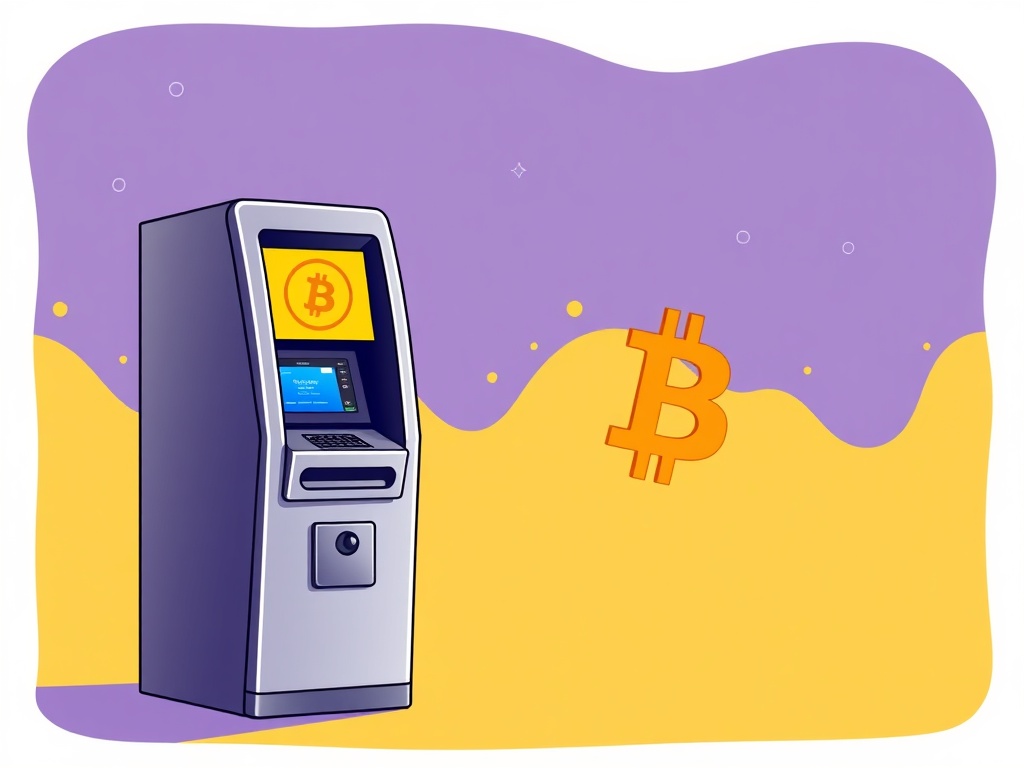
An anonymous Bitcoin ATM is a specialized kiosk that allows users to buy or sell Bitcoin without requiring personal identification. Unlike traditional Bitcoin ATMs that may ask for a phone number, ID, or even a selfie, anonymous models prioritize user privacy by minimizing or eliminating Know Your Customer (KYC) requirements.
These machines operate similarly to standard Bitcoin ATMs but with a key difference: they do not link transactions to a user’s identity. This makes them particularly attractive to individuals who wish to maintain financial privacy or avoid the surveillance associated with traditional banking systems.
How Does It Differ From a Regular Bitcoin ATM?
While both types of ATMs facilitate Bitcoin transactions, the primary distinction lies in the level of anonymity they provide:
- Regular Bitcoin ATM: Typically requires some form of identification, such as a government-issued ID, phone number verification, or even a fingerprint scan. These ATMs are often connected to exchanges that comply with anti-money laundering (AML) and KYC regulations.
- Anonymous Bitcoin ATM: Does not require personal identification. Users can transact by simply inserting cash or scanning a wallet QR code, making the process faster and more discreet.
It’s important to note that the availability of anonymous Bitcoin ATMs varies by location. Some countries have strict regulations that limit or prohibit anonymous cryptocurrency transactions, while others have more lenient policies. Always check local laws before attempting to use one.
Types of Anonymous Bitcoin ATMs
Not all anonymous Bitcoin ATMs function the same way. They generally fall into two categories:
- One-Way Anonymous Bitcoin ATMs:
- Allow users to buy Bitcoin with cash without providing identification.
- Do not support selling Bitcoin for cash.
- Ideal for individuals who want to acquire Bitcoin discreetly.
- Two-Way Anonymous Bitcoin ATMs:
- Enable both buying and selling of Bitcoin for cash without KYC.
- Less common due to regulatory challenges.
- Offer greater flexibility but may have lower transaction limits.
Some machines may also offer additional features, such as the ability to send Bitcoin to another wallet directly from the ATM or even purchase other cryptocurrencies. However, true anonymity is only guaranteed when no personal data is collected during the transaction.
---Why Use an Anonymous Bitcoin ATM?
There are several compelling reasons why individuals choose to use an anonymous Bitcoin ATM. From privacy concerns to practical convenience, these machines cater to a diverse range of users. Below, we explore the key benefits.
1. Enhanced Financial Privacy
One of the most significant advantages of using an anonymous Bitcoin ATM is the ability to keep your financial activities private. In a world where banks, governments, and corporations track transactions, maintaining anonymity can be crucial for:
- Protecting personal data: Avoiding data breaches and identity theft by not linking transactions to your identity.
- Preserving anonymity in sensitive transactions: For example, if you’re purchasing Bitcoin for personal use without wanting it tied to your bank account.
- Preventing surveillance: Avoiding government or corporate monitoring of your spending habits.
For individuals living under oppressive regimes or in countries with strict financial controls, an anonymous Bitcoin ATM can be a lifeline to financial freedom.
2. No Bank Intermediaries
Traditional banking systems often impose restrictions, delays, and fees on international transfers or large transactions. An anonymous Bitcoin ATM bypasses these intermediaries entirely, allowing for:
- Faster transactions: Cash is exchanged for Bitcoin almost instantly, without waiting for bank approvals.
- Lower fees: Many ATMs charge a flat fee or a small percentage, which can be lower than bank transfer fees.
- Global accessibility: You can use Bitcoin ATMs in different countries without worrying about cross-border banking restrictions.
This makes anonymous Bitcoin ATMs particularly useful for travelers, expatriates, or anyone needing to move money across borders quickly.
3. Avoiding KYC and AML Regulations
Know Your Customer (KYC) and Anti-Money Laundering (AML) regulations require financial institutions to verify customer identities. While these regulations aim to prevent illegal activities, they also compromise user privacy. An anonymous Bitcoin ATM allows you to:
- Skip identity verification: No need to submit a passport, driver’s license, or other documents.
- Reduce exposure to data breaches: Since your identity isn’t stored in a database, there’s less risk of your personal information being leaked.
- Maintain control over your funds: Without KYC, there’s no risk of your account being frozen due to regulatory concerns.
However, it’s essential to recognize that while anonymous Bitcoin ATMs offer privacy, they are not entirely risk-free. Regulatory crackdowns or machine malfunctions can still pose challenges.
4. Convenience and Accessibility
Bitcoin ATMs, including anonymous models, are designed to be user-friendly. They typically offer:
- 24/7 availability: Unlike banks with limited hours, many Bitcoin ATMs operate around the clock.
- No need for a bank account: You can transact with cash, making it accessible to the unbanked population.
- Simple interface: Most machines guide users through the process with clear instructions.
For those who prefer not to deal with online exchanges or complex wallet setups, an anonymous Bitcoin ATM provides a straightforward way to enter the world of cryptocurrency.
---How to Use an Anonymous Bitcoin ATM Safely
While anonymous Bitcoin ATMs offer privacy and convenience, they also come with risks. Using one safely requires awareness of potential pitfalls, from scams to technical issues. Below, we outline a step-by-step guide to using an anonymous Bitcoin ATM securely.
Step 1: Locate a Reputable Anonymous Bitcoin ATM
Not all Bitcoin ATMs are created equal. Some may claim to be anonymous but still collect data covertly. To find a trustworthy machine:
- Use online directories: Websites like CoinATMRadar or Bitcoin ATM Map list ATMs by location and features, including whether they support anonymity.
- Check reviews: Look for user reviews or forum discussions about the ATM’s reliability and privacy policies.
- Verify the machine’s features: Some ATMs may appear anonymous but require a phone number or email for receipts. Always read the on-screen instructions carefully.
It’s also wise to avoid ATMs in high-risk areas, such as poorly lit or isolated locations, where theft or tampering is more likely.
Step 2: Prepare Your Bitcoin Wallet
Before visiting an anonymous Bitcoin ATM, ensure you have a secure Bitcoin wallet ready. Here’s what you’ll need:
- Mobile wallet: Apps like Trust Wallet, Exodus, or BlueWallet are popular choices for beginners.
- Hardware wallet (for large amounts): If you’re buying significant Bitcoin, a hardware wallet like Ledger or Trezor offers better security.
- QR code: Most ATMs will generate a QR code for your wallet address. Make sure your wallet is ready to receive funds.
Pro Tip: Test your wallet by sending a small amount of Bitcoin to it beforehand to ensure it’s working correctly.
Step 3: Initiate the Transaction
Once you’ve located a reputable ATM and prepared your wallet, follow these steps to complete your transaction:
- Select “Buy Bitcoin” or “Sell Bitcoin”: Depending on whether you’re purchasing or cashing out Bitcoin.
- Enter the amount: Specify how much Bitcoin you want to buy (or how much cash you want to receive for selling Bitcoin).
- Provide your wallet address: Scan the QR code from your wallet or enter the address manually. Never share your private keys or seed phrase.
- Insert cash (for buying Bitcoin): If the ATM accepts cash, insert the required amount. Some machines may also accept debit/credit cards, but this could compromise anonymity.
- Confirm the transaction: Review the details on the screen, including the Bitcoin amount and fees, before finalizing.
- Receive your Bitcoin: The ATM will send Bitcoin to your wallet address. For selling Bitcoin, the machine will dispense cash after confirming the transaction on the blockchain.
For selling Bitcoin, the process is similar but reversed. You’ll send Bitcoin from your wallet to the ATM’s address, and once confirmed, the machine will give you cash.
Step 4: Verify the Transaction
After completing the transaction, it’s crucial to verify that the Bitcoin has been received in your wallet. Here’s how:
- Check your wallet balance: Look for the incoming transaction in your wallet’s transaction history.
- Use a blockchain explorer: Websites like Blockstream or Blockchain.com allow you to track Bitcoin transactions by entering the transaction ID (TXID) provided by the ATM.
- Wait for confirmations: Bitcoin transactions require multiple confirmations (usually 1-6) before they’re considered final. The ATM may display a confirmation status.
If the Bitcoin doesn’t appear in your wallet after a reasonable time (typically 10-30 minutes), contact the ATM operator or check for any error messages.
Step 5: Secure Your Funds
Once you’ve successfully used an anonymous Bitcoin ATM, take steps to secure your Bitcoin:
- Transfer to cold storage: Move your Bitcoin to a hardware wallet or offline storage for long-term security.
- Backup your wallet: Ensure you have a secure backup of your wallet’s seed phrase or private keys.
- Avoid reusing addresses: For better privacy, generate a new Bitcoin address for each transaction.
Remember, while the ATM itself may be anonymous, your wallet’s security is your responsibility. A single mistake, such as sharing your seed phrase, can result in the loss of your funds.
---Risks and Challenges of Using an Anonymous Bitcoin ATM
While anonymous Bitcoin ATMs offer significant privacy benefits, they are not without risks. Understanding these challenges can help you navigate them more effectively and avoid potential pitfalls.
1. Regulatory and Legal Risks
Governments worldwide are increasingly scrutinizing cryptocurrency transactions, even those conducted through ATMs. Some key regulatory concerns include:
- Money laundering: Authorities may view anonymous transactions as suspicious, leading to increased monitoring or restrictions.
- Tax evasion: While privacy is a legitimate concern, tax authorities may frown upon undeclared cryptocurrency holdings.
- Geographic restrictions: Some countries, such as the United States, have imposed limits on anonymous Bitcoin ATM transactions. For example, the Financial Crimes Enforcement Network (FinCEN) requires operators to comply with AML regulations, which may include identity verification for transactions over a certain threshold.
Before using an anonymous Bitcoin ATM, research the laws in your country or the country where the ATM is located. Ignorance of the law is not a valid defense if you face penalties.
2. Scams and Fraudulent ATMs
The decentralized nature of Bitcoin and the lack of strict regulations in some areas make Bitcoin ATMs a target for scammers. Common scams include:
- Fake ATMs: Fraudsters may set up counterfeit machines to steal your cash or Bitcoin. Always verify the ATM’s legitimacy before using it.
- Skimming devices: Some thieves install skimmers on ATMs to capture card details or wallet addresses. Inspect the machine for tampering before inserting cash or scanning your wallet.
- Phishing attacks: Scammers may pose as ATM operators and ask for your wallet details or seed phrase. Never share this information.
- Incorrect transaction amounts: Some ATMs may display a lower Bitcoin amount than what you receive, hoping you won’t notice. Always double-check the transaction details.
To avoid scams, stick to well-known ATM operators and use machines located in secure, high-traffic areas.
3. Transaction Limits and Fees
Anonymous Bitcoin ATMs often have lower transaction limits compared to regulated exchanges. Common limitations include:
- Daily purchase limits: Some ATMs cap the amount of Bitcoin you can buy per day (e.g., $1,000 or $10,000).
- Higher fees: Anonymity comes at a cost. Fees for using an anonymous Bitcoin ATM can range from 5% to 15%, significantly higher than online exchanges.
- Cash availability: Not all ATMs have large cash reserves, so you may be limited in how much Bitcoin you can buy at once.
Always check the fee structure and limits before initiating a transaction. If you need to move large amounts of Bitcoin, consider using multiple smaller transactions or a different method.
4. Technical Issues and Malfunctions
Like any technology, Bitcoin ATMs can experience technical problems, such as:
- Network connectivity issues: If the ATM’s internet connection fails, your transaction may not go through.
- Software glitches: The machine may freeze or display incorrect information.
- Blockchain delays: Bitcoin transactions can take time to confirm, especially during network congestion.
To mitigate these risks, always use a reliable ATM and keep a record of your transaction ID. If a problem occurs, contact the ATM operator immediately.
5. Lack of Customer Support
Unlike traditional banks, Bitcoin ATMs typically do not offer customer support. If you encounter an issue, such as a failed transaction or incorrect Bitcoin amount, you may have limited recourse. Common problems include:
- Lost Bitcoin: If you send Bitcoin to the wrong address or the ATM malfunctions, recovering your funds can be difficult.
- Unresponsive operators: Some ATM operators may not respond to complaints or refund requests.
- No dispute resolution: Unlike credit card chargebacks, Bitcoin transactions are irreversible.
To protect yourself, always use a small test transaction first and keep records of your interactions with the ATM.
---Legal Considerations for Anonymous Bitcoin ATM Users
While the appeal of an anonymous Bitcoin ATM is undeniable, it’s essential to understand the legal landscape surrounding their use. Laws vary significantly by country, and ignorance of these regulations

As a DeFi and Web3 analyst, I’ve observed the growing demand for privacy-preserving financial tools, particularly in regions with restrictive financial policies or heightened surveillance concerns. The emergence of anonymous Bitcoin ATMs represents a critical evolution in on-chain accessibility, bridging the gap between decentralized finance and real-world cash transactions. These ATMs allow users to purchase Bitcoin without traditional KYC/AML verification, leveraging peer-to-peer networks or privacy-focused protocols to obscure transaction trails. While this innovation empowers individuals seeking financial sovereignty, it also introduces regulatory gray areas that could pose risks for both users and operators. From a technical standpoint, the reliance on custodial or semi-custodial models—where intermediaries facilitate trades—often undermines the core ethos of Bitcoin’s censorship resistance, making it essential to scrutinize the underlying infrastructure.
Practically, anonymous Bitcoin ATMs cater to a niche but vital segment of the market, including freelancers, expatriates, and privacy-conscious investors who prioritize discretion over compliance. However, their long-term viability hinges on several factors: the scalability of privacy-enhancing technologies (e.g., CoinJoin or Lightning Network integrations), the regulatory crackdowns on unregulated ATMs, and the adoption of decentralized alternatives like non-custodial DEXs. For DeFi-native users, these ATMs serve as a gateway to yield-bearing assets or liquidity pools, but they must weigh the trade-offs between convenience and exposure to counterparty risk. My recommendation? Treat anonymous Bitcoin ATMs as a temporary solution—until fully decentralized, privacy-preserving infrastructure matures. Until then, users should conduct thorough due diligence on operators and consider layering privacy tools (e.g., Wasabi Wallet or Samourai Wallet) to mitigate traceability.