Understanding Crypto Wallet Identification: A Comprehensive Guide for Secure Transactions
Understanding Crypto Wallet Identification: A Comprehensive Guide for Secure Transactions
In the rapidly evolving world of cryptocurrency, crypto wallet identification plays a pivotal role in ensuring the security and legitimacy of digital transactions. Whether you're a seasoned trader or a newcomer to the crypto space, understanding how to identify and verify crypto wallets is essential for protecting your assets and avoiding fraudulent activities. This guide delves into the intricacies of crypto wallet identification, covering key concepts, best practices, and advanced techniques to help you navigate the digital landscape with confidence.
The importance of crypto wallet identification cannot be overstated. With the rise of decentralized finance (DeFi) and the increasing adoption of cryptocurrencies, the need for robust identification methods has become more critical than ever. This article explores the various aspects of crypto wallet identification, from basic wallet types to advanced security measures, providing you with the knowledge to make informed decisions.
What Is Crypto Wallet Identification and Why Does It Matter?
The Basics of Crypto Wallet Identification
Crypto wallet identification refers to the process of verifying and distinguishing between different types of cryptocurrency wallets. This involves understanding the unique features, security protocols, and functionalities of each wallet type to ensure that you are using a legitimate and secure platform for your transactions.
At its core, crypto wallet identification helps users differentiate between hot wallets (online wallets) and cold wallets (offline wallets), as well as between custodial and non-custodial wallets. Each type of wallet has its own set of advantages and risks, making it crucial to identify the right one for your specific needs.
The Importance of Secure Wallet Identification
In an era where cyber threats and scams are rampant, crypto wallet identification serves as a first line of defense against unauthorized access and fraud. By correctly identifying a wallet, you can avoid falling victim to phishing attacks, fake wallet apps, or malicious smart contracts that aim to steal your funds.
Moreover, crypto wallet identification is essential for compliance with regulatory requirements, especially in jurisdictions where Know Your Customer (KYC) and Anti-Money Laundering (AML) laws are strictly enforced. Proper identification ensures that your transactions are transparent and traceable, reducing the risk of legal complications.
Common Misconceptions About Crypto Wallet Identification
One of the most prevalent misconceptions about crypto wallet identification is that all wallets are created equal. In reality, wallets vary significantly in terms of security, usability, and functionality. For instance, some wallets support multiple cryptocurrencies, while others are limited to a single asset. Additionally, not all wallets offer the same level of encryption or backup options, making it essential to conduct thorough research before selecting one.
Another common myth is that hardware wallets are always the safest option. While hardware wallets are indeed highly secure due to their offline nature, they may not be the most convenient choice for frequent traders. Understanding the trade-offs between security and usability is a key aspect of effective crypto wallet identification.
Types of Crypto Wallets and How to Identify Them
Hot Wallets vs. Cold Wallets: Key Differences
When it comes to crypto wallet identification, one of the first distinctions to make is between hot wallets and cold wallets. Hot wallets are digital wallets that are connected to the internet, making them convenient for quick transactions but also more vulnerable to hacking attempts. Examples of hot wallets include web wallets, mobile wallets, and desktop wallets.
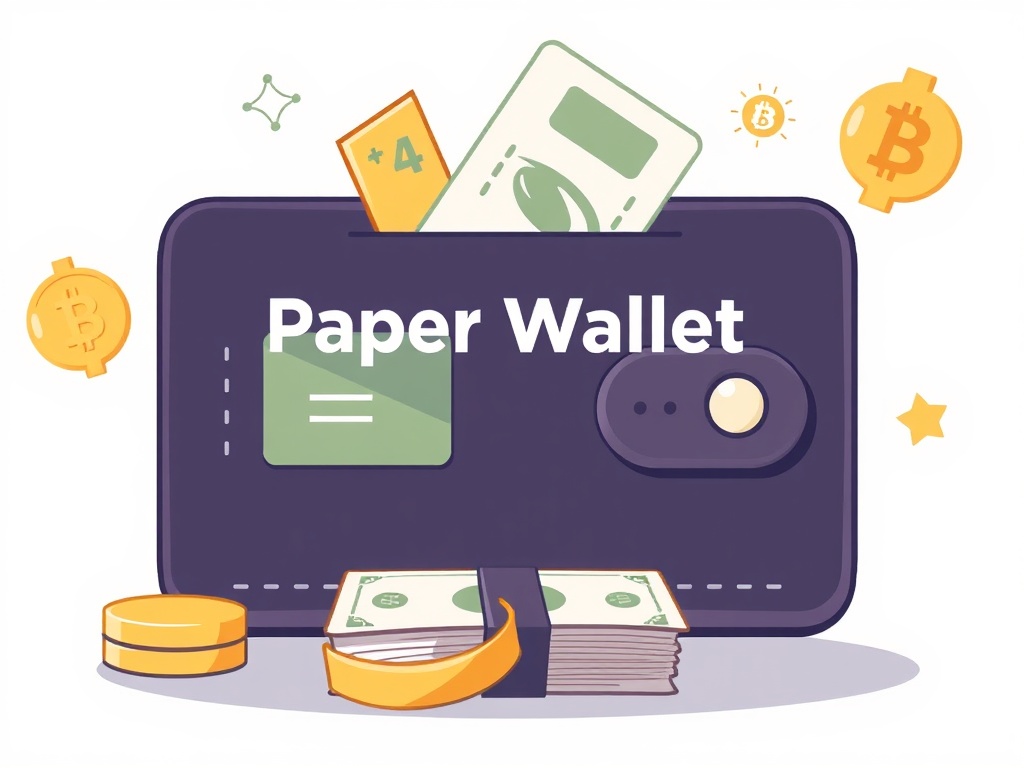
On the other hand, cold wallets are offline storage solutions that are not connected to the internet, providing an extra layer of security against cyber threats. Cold wallets can be further divided into hardware wallets (physical devices like Ledger or Trezor) and paper wallets (printed copies of private keys). Understanding these differences is crucial for making an informed decision about which type of wallet to use.
Custodial vs. Non-Custodial Wallets: What You Need to Know
Crypto wallet identification also involves recognizing whether a wallet is custodial or non-custodial. Custodial wallets are managed by third-party services, such as exchanges like Coinbase or Binance, which hold your private keys on your behalf. While this can simplify the process of recovering lost passwords or accessing funds, it also means that you are trusting a third party with your assets.
Non-custodial wallets, on the other hand, give you full control over your private keys and funds. This type of wallet is ideal for users who prioritize security and autonomy but requires a higher level of responsibility, as losing your private keys can result in permanent loss of funds. Examples of non-custodial wallets include MetaMask, Trust Wallet, and Exodus.
Multi-Currency Wallets vs. Single-Currency Wallets
Another important aspect of crypto wallet identification is determining whether a wallet supports multiple cryptocurrencies or is limited to a single asset. Multi-currency wallets, such as Atomic Wallet or Jaxx, allow you to store and manage a variety of cryptocurrencies in one place, making them a convenient option for diversified portfolios.
Single-currency wallets, on the other hand, are designed to hold only one type of cryptocurrency, such as Bitcoin or Ethereum. While these wallets may offer specialized features for their respective assets, they lack the flexibility of multi-currency wallets. When choosing a wallet, consider your investment strategy and the types of cryptocurrencies you plan to hold.
Identifying Wallet Addresses: What to Look For
One of the most critical aspects of crypto wallet identification is verifying wallet addresses. A wallet address is a unique string of characters that serves as a public identifier for your cryptocurrency holdings. It is essential to ensure that you are sending funds to the correct address, as transactions on the blockchain are irreversible.
Wallet addresses typically begin with a specific prefix, depending on the cryptocurrency. For example, Bitcoin addresses start with "1," "3," or "bc1," while Ethereum addresses begin with "0x." Additionally, wallet addresses are case-sensitive, so it is crucial to double-check the address before initiating a transaction. Using a QR code scanner or a trusted address book can help minimize the risk of errors.
How to Verify the Legitimacy of a Crypto Wallet
Checking Wallet Provider Reputation and Reviews
Before entrusting your funds to a crypto wallet, it is essential to verify the reputation and reliability of the wallet provider. Start by researching online reviews and user testimonials to gauge the experiences of other users. Platforms like Trustpilot, Reddit, and specialized crypto forums can provide valuable insights into the wallet's performance, security, and customer support.
Additionally, check if the wallet provider has a history of security breaches or regulatory issues. Reputable wallet providers are transparent about their security measures and often undergo third-party audits to ensure compliance with industry standards. Avoid wallets with a history of negative reviews or suspicious activities, as these may pose significant risks to your funds.
Verifying Wallet Source Code and Open-Source Projects
For tech-savvy users, verifying the source code of a crypto wallet can provide an additional layer of assurance. Open-source wallets, such as Electrum or Wasabi Wallet, allow users to inspect the code for vulnerabilities or backdoors. This transparency can help build trust in the wallet's security and functionality.
However, not all wallets are open-source, and some may use proprietary code for competitive reasons. In such cases, look for wallets that have undergone independent security audits by reputable firms. Audits provide an objective assessment of the wallet's security posture and can help identify potential risks before they are exploited by malicious actors.
When evaluating a wallet's source code, pay attention to the following factors:
- Code Quality: Well-written, modular code is easier to audit and less likely to contain vulnerabilities.
- Community Engagement: Active development and community involvement indicate a healthy and well-maintained project.
- Security Features: Look for features like multi-signature support, hardware wallet integration, and encryption protocols.
Using Blockchain Explorers for Wallet Verification
Blockchain explorers are powerful tools that allow you to inspect the transaction history and balance of any crypto wallet. By entering a wallet address into a blockchain explorer like Etherscan (for Ethereum) or Blockchain.com (for Bitcoin), you can verify the wallet's legitimacy and track its activity.
When using a blockchain explorer for crypto wallet identification, look for the following indicators:
- Transaction History: A wallet with a long history of legitimate transactions is more likely to be trustworthy.
- Balance: A wallet with a significant balance may be a target for hackers, so exercise caution when dealing with such addresses.
- Associated Addresses: Check if the wallet is linked to any known scams or fraudulent activities by reviewing its transaction history.
Additionally, blockchain explorers can help you identify whether a wallet is a smart contract or a regular wallet. Smart contracts are programmable agreements that can execute transactions automatically, while regular wallets are controlled by private keys. Understanding the type of wallet you are dealing with is crucial for assessing its security and functionality.
Recognizing Red Flags in Crypto Wallet Identification
Identifying red flags is an essential part of crypto wallet identification. Some common warning signs include:
- Unverified or Fake Wallets: Be wary of wallets that lack proper documentation, reviews, or a clear development team. Fake wallets often mimic the branding of popular wallets to deceive users.
- Poor Security Practices: Wallets that do not offer two-factor authentication (2FA), encryption, or backup options should be avoided. These features are critical for protecting your funds from unauthorized access.
- Unusual Fee Structures: Some wallets impose excessive fees or hidden charges. Always review the fee structure before using a wallet to avoid unexpected costs.
- Lack of Customer Support: Reputable wallet providers offer responsive customer support to address user concerns. If a wallet lacks proper support channels, it may be a sign of an unreliable service.
By staying vigilant and recognizing these red flags, you can significantly reduce the risk of falling victim to scams or fraudulent activities.
Best Practices for Secure Crypto Wallet Identification
Conducting Thorough Research Before Choosing a Wallet
Before selecting a crypto wallet, it is essential to conduct thorough research to ensure that it meets your security and usability requirements. Start by identifying your specific needs, such as the types of cryptocurrencies you plan to hold, your preferred level of security, and your budget for hardware wallets.
Next, compare different wallet options based on their features, reputation, and user reviews. Look for wallets that offer robust security measures, such as multi-signature support, hardware wallet integration, and encryption protocols. Additionally, consider the wallet's compatibility with your devices and operating systems to ensure a seamless user experience.
Finally, test the wallet with a small amount of cryptocurrency before transferring larger sums. This allows you to familiarize yourself with the wallet's interface and functionality while minimizing the risk of losing significant funds.
Implementing Multi-Layered Security Measures
Security should be a top priority when it comes to crypto wallet identification. Implementing multi-layered security measures can help protect your funds from unauthorized access and cyber threats. Some best practices include:
- Using Strong Passwords: Create a unique, complex password for your wallet and avoid reusing passwords across different platforms.
- Enabling Two-Factor Authentication (2FA): 2FA adds an extra layer of security by requiring a second form of verification, such as a code sent to your mobile device or generated by an authenticator app.
- Backing Up Your Wallet: Regularly back up your wallet's private keys or seed phrase and store them in a secure, offline location. This ensures that you can recover your funds in case of device failure or loss.
- Using Hardware Wallets: For maximum security, consider using a hardware wallet to store your private keys offline. Hardware wallets are resistant to malware and hacking attempts, making them an ideal choice for long-term storage.
Regularly Updating Wallet Software
Keeping your wallet software up to date is crucial for maintaining its security and functionality. Wallet providers regularly release updates to patch vulnerabilities, fix bugs, and introduce new features. Failing to update your wallet can expose you to known security risks and compromise the safety of your funds.
To ensure that your wallet is always up to date, enable automatic updates or regularly check for new releases on the wallet provider's website. Additionally, be cautious of fake update notifications, as these may be used to distribute malware or phishing scams.
Avoiding Public Wi-Fi and Unsecured Networks
Public Wi-Fi networks and unsecured connections are prime targets for hackers looking to intercept sensitive information, including your wallet's private keys. When accessing your crypto wallet, always use a secure, private internet connection to minimize the risk of unauthorized access.
If you must use a public network, consider using a Virtual Private Network (VPN) to encrypt your internet traffic and protect your data. Additionally, avoid accessing your wallet on shared or public devices, as these may contain malware or keyloggers designed to steal your credentials.
Educating Yourself About Common Scams and Phishing Attacks
Staying informed about common scams and phishing attacks is an essential part of crypto wallet identification. Scammers often use deceptive tactics to trick users into revealing their private keys or sending funds to fraudulent addresses. Some common scams include:
- Phishing Emails: Scammers send emails that appear to be from legitimate wallet providers or exchanges, asking users to click on a link or provide their private keys. Always verify the sender's email address and avoid clicking on suspicious links.
- Fake Wallet Apps: Malicious actors create fake wallet apps that mimic popular wallets to steal users' funds. Only download wallet apps from official sources, such as the Apple App Store or Google Play Store.
- Giveaway Scams: Scammers promise free cryptocurrency in exchange for a small "processing fee" or private key. Remember that legitimate giveaways do not require users to send funds or share their private keys.
- Fake Customer Support: Scammers impersonate customer support representatives to trick users into revealing their private keys or sending funds. Always verify the legitimacy of support channels before sharing sensitive information.
By educating yourself about these scams and staying vigilant, you can protect your funds and avoid falling victim to fraudulent activities.
Advanced Techniques for Crypto Wallet Identification
Analyzing On-Chain Data for Wallet Profiling
For users seeking a deeper understanding of crypto wallet identification, analyzing on-chain data can provide valuable insights into a wallet's behavior and legitimacy. On-chain data refers to the information recorded on the blockchain, including transaction history, wallet balances, and smart contract interactions.
By using blockchain explorers and analytics tools, you can profile a wallet based on its transaction patterns, frequency, and associated addresses. For example, wallets that frequently interact with known scams or mixers may be flagged as high-risk. Additionally, analyzing the distribution of funds across multiple addresses can help identify whether a wallet is controlled by a single entity or a group of users.
Some advanced blockchain analytics platforms, such as Chainalysis or CipherTrace, offer comprehensive tools for tracking and analyzing on-chain data. These platforms can help you assess the risk associated with a particular wallet and make informed decisions about your transactions.
Identifying Mixing Services and Privacy-Focused Wallets
In the context of crypto wallet identification, it is essential to understand the role of mixing services and privacy-focused wallets. Mixing services, also known as tumblers, are designed to obscure the transaction history of cryptocurrencies by mixing funds from multiple users. While these services can enhance privacy, they are often associated with illicit activities, such as money laundering or ransomware payments.
Privacy-focused wallets, such as Wasabi Wallet or Samourai Wallet, offer enhanced privacy features, such as CoinJoin transactions, which combine multiple transactions into a single, indistinguishable transaction. While these wallets prioritize user anonymity, they may also attract regulatory scrutiny or be flagged by blockchain analytics tools.
When dealing with mixing services or privacy-focused wallets, it is crucial to assess the associated risks and comply with regulatory requirements. Additionally, be aware that some exchanges and wallet providers may block transactions involving mixing services due to compliance concerns.
Using AI and Machine Learning for Wallet Risk Assessment
As the cryptocurrency ecosystem continues to evolve, advanced technologies like artificial intelligence (AI) and machine learning are being leveraged to enhance crypto wallet identification and risk assessment. AI-powered tools can analyze vast amounts of on-chain data to identify suspicious patterns, detect fraudulent activities, and predict potential security threats.
For example, machine learning algorithms can be trained to recognize the behavior of known scam wallets or identify anomalies in transaction patterns. These tools can provide real-time alerts and

Crypto Wallet Identification: Balancing Privacy, Security, and Compliance in Digital Asset Management
As a senior crypto market analyst with over a decade of experience in digital asset research, I’ve observed that crypto wallet identification has evolved from a niche concern to a critical component of institutional and retail adoption. The challenge isn’t just about tracking transactions—it’s about reconciling the inherent pseudonymity of blockchain networks with the growing demand for regulatory transparency. While privacy-focused wallets like Wasabi or Samourai offer users anonymity, they also introduce friction for exchanges, auditors, and law enforcement agencies that rely on traceability. The tension between financial privacy and compliance isn’t going away, but the tools for crypto wallet identification are improving. Solutions like Chainalysis Reactor, TRM Labs, and Elliptic’s blockchain analytics platforms now provide granular insights into wallet behaviors, transaction patterns, and even risk scoring—without compromising user anonymity when done ethically.
From a practical standpoint, the key to effective crypto wallet identification lies in layered approaches rather than silver-bullet tools. For institutions, integrating wallet screening into KYT (Know Your Transaction) protocols is no longer optional—it’s a baseline requirement to mitigate exposure to illicit activities. Retail users, meanwhile, must recognize that while privacy wallets have their place, they often come with trade-offs in terms of usability and interoperability with regulated platforms. The future of wallet identification will likely be shaped by zero-knowledge proofs and decentralized identity solutions, which could enable selective disclosure of wallet attributes without revealing full transaction histories. Until then, the industry must strike a balance: leveraging crypto wallet identification for security and compliance while preserving the core ethos of decentralization that drew users to crypto in the first place.