The Private Wallet Guardian: Securing Your Cryptocurrency with Advanced Protection Strategies
The Private Wallet Guardian: Securing Your Cryptocurrency with Advanced Protection Strategies
In the rapidly evolving world of cryptocurrency, security remains the cornerstone of successful digital asset management. As blockchain technology continues to redefine financial privacy, the need for robust protective measures has never been more critical. Enter the private wallet guardian—a concept that goes beyond traditional wallet security to provide a comprehensive shield against threats, unauthorized access, and digital vulnerabilities. Whether you're a seasoned investor or a newcomer to the crypto space, understanding how to safeguard your digital wealth is paramount. This guide explores the essential role of a private wallet guardian in maintaining the integrity and confidentiality of your cryptocurrency holdings.
The term private wallet guardian encompasses a range of tools, practices, and technologies designed to protect your private keys, monitor suspicious activity, and ensure that your digital assets remain under your exclusive control. Unlike centralized exchanges that hold custody of your funds, a private wallet puts you in full control—but with that control comes responsibility. A private wallet guardian acts as your digital sentinel, constantly vigilant against phishing attacks, malware, and human error. In this article, we delve into the core principles of private wallet security, the tools available to fortify your defenses, and the best practices that every crypto user should adopt to become their own private wallet guardian.
---The Importance of a Private Wallet Guardian in Cryptocurrency Security
Cryptocurrency wallets are not just digital containers for your coins; they are gateways to your financial sovereignty. Unlike traditional banking systems, where institutions bear the burden of security, crypto wallets place the responsibility squarely on the user. This shift empowers individuals but also introduces significant risks. Without a dedicated private wallet guardian, your assets are vulnerable to a myriad of threats, from sophisticated hacking attempts to simple mistakes like losing your private key.
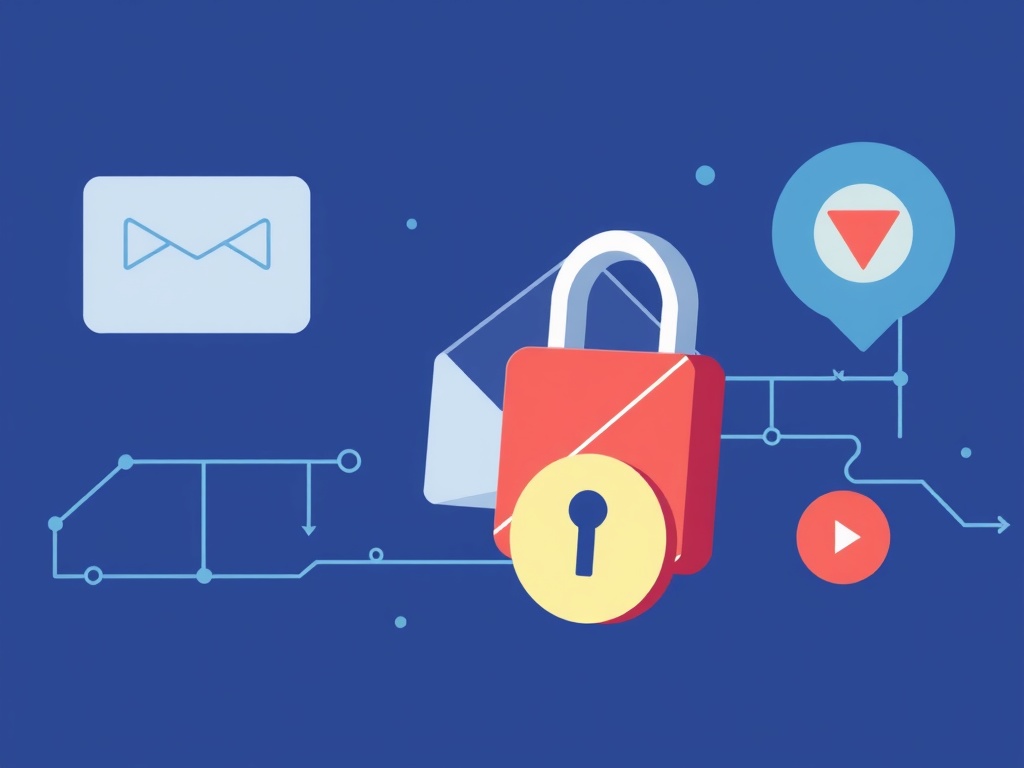
One of the most compelling reasons to adopt a private wallet guardian is the protection it offers against unauthorized access. Private keys are the cryptographic equivalent of a vault key—whoever possesses them controls the funds. A private wallet guardian ensures that these keys are never exposed to potential breaches, whether through malware, phishing, or physical theft. Additionally, a guardian system can provide real-time alerts for suspicious transactions, enabling you to respond swiftly to any unauthorized activity.
Another critical aspect is the preservation of financial privacy. In an era where data breaches and surveillance are rampant, maintaining anonymity is a priority for many crypto users. A private wallet guardian helps obscure transaction trails, reducing the risk of your financial activities being traced or exploited. By integrating privacy-focused tools such as coin mixing services, you can further enhance the confidentiality of your transactions, making it exceedingly difficult for third parties to link your wallet to your identity.
Moreover, a private wallet guardian serves as a safeguard against human error. Losing access to a wallet due to forgotten passwords or misplaced backup phrases is a common pitfall in the crypto world. A guardian system can include secure backup solutions, multi-signature requirements, and recovery protocols to mitigate these risks. By automating and streamlining these processes, you reduce the likelihood of irreversible mistakes that could result in the loss of your digital assets.
---The Role of Private Keys in Wallet Security
At the heart of every cryptocurrency wallet lies the private key—a unique, alphanumeric string that serves as the ultimate proof of ownership. Unlike public keys, which can be shared to receive funds, private keys must remain confidential at all times. A private wallet guardian prioritizes the protection of these keys through encryption, offline storage, and access controls.
One of the most secure methods for storing private keys is using a hardware wallet. These devices store keys offline, away from the reach of internet-based threats. When combined with a private wallet guardian software layer, hardware wallets provide an additional layer of security by requiring physical confirmation for transactions. This dual-layer approach ensures that even if your computer is compromised, your private keys remain safe.
For those who prefer software-based solutions, paper wallets and brain wallets offer alternative methods for storing private keys. However, these methods come with their own risks, such as physical damage to paper wallets or the potential for weak brain wallet passphrases. A private wallet guardian can help mitigate these risks by providing secure storage solutions and regular audits of your wallet's integrity.
It's also essential to understand the concept of key sharding, where a private key is divided into multiple parts, each stored in a different location. This technique ensures that even if one part of the key is compromised, the entire key remains secure. A private wallet guardian can automate the process of key sharding and reassembly, making it easier for users to implement without sacrificing security.
---How a Private Wallet Guardian Enhances Transaction Privacy
Privacy is a fundamental right, and in the world of cryptocurrency, it is often the difference between financial freedom and exposure to risks. A private wallet guardian plays a pivotal role in enhancing transaction privacy by leveraging advanced techniques such as coin mixing, stealth addresses, and zero-knowledge proofs. These methods obscure the flow of funds, making it nearly impossible for third parties to trace transactions back to their origin.
One of the most effective tools in a private wallet guardian's arsenal is coin mixing, also known as tumbling. Coin mixing services combine your cryptocurrency with that of other users, effectively breaking the on-chain link between your transactions. This process is particularly useful for users who wish to maintain their financial privacy while transacting in cryptocurrencies like Bitcoin, which are inherently transparent due to their public ledger.
For example, platforms like BTCmixer offer coin mixing services that allow users to send their Bitcoin to a mixing pool, where it is combined with other users' funds before being redistributed to the intended recipients. This process ensures that the origin of the funds cannot be easily traced, providing a layer of anonymity that is otherwise absent in standard Bitcoin transactions. By integrating such services into your private wallet guardian strategy, you can significantly reduce the risk of your financial activities being monitored or exploited.
---The Benefits of Using Coin Mixing Services
Coin mixing services offer several key benefits that make them an indispensable component of a private wallet guardian setup:
- Enhanced Anonymity: By breaking the transaction trail, coin mixing makes it difficult for third parties to link your wallet address to your identity or other transactions.
- Protection Against Surveillance: Governments, corporations, and malicious actors often monitor blockchain transactions for surveillance or exploitation. Coin mixing disrupts these efforts by obfuscating transaction histories.
- Reduced Risk of Targeted Attacks: If your wallet address is linked to your identity, you become a potential target for phishing, hacking, or extortion. Coin mixing reduces this risk by severing the connection between your identity and your transactions.
- Compliance with Privacy Regulations: In some jurisdictions, financial privacy is a legal right. Coin mixing allows users to comply with privacy regulations while still participating in the cryptocurrency ecosystem.
However, it's important to note that not all coin mixing services are created equal. Some platforms may log user data or fail to implement proper security measures, putting your privacy at risk. When selecting a coin mixing service as part of your private wallet guardian strategy, prioritize platforms with a proven track record, transparent operations, and strong encryption protocols.
---Stealth Addresses and Zero-Knowledge Proofs: Advanced Privacy Techniques
Beyond coin mixing, advanced privacy techniques such as stealth addresses and zero-knowledge proofs offer even greater levels of anonymity. Stealth addresses generate a unique, one-time address for each transaction, ensuring that the recipient's wallet address is never publicly linked to the transaction. This method is particularly useful for privacy-focused cryptocurrencies like Monero, but it can also be implemented in Bitcoin through layer-2 solutions like Confidential Transactions.
Zero-knowledge proofs, on the other hand, allow users to prove the validity of a transaction without revealing any sensitive information. This cryptographic technique ensures that transaction details, such as the sender, recipient, and amount, remain confidential while still being verifiable by the network. By incorporating these advanced techniques into your private wallet guardian strategy, you can achieve a level of privacy that is virtually unmatched in the traditional financial system.
---Choosing the Right Tools for Your Private Wallet Guardian Setup
Not all wallets and security tools are created equal, and selecting the right combination is crucial for effective protection. A well-rounded private wallet guardian setup typically includes a hardware wallet for offline storage, a software wallet with robust encryption, and a privacy-focused service like a coin mixer. Additionally, tools such as multi-signature wallets, time-locked transactions, and decentralized identity solutions can further enhance your security posture.
When evaluating wallets, prioritize those that offer open-source code, regular security updates, and strong community support. Closed-source wallets may contain hidden vulnerabilities or backdoors that compromise your security. Similarly, wallets that do not provide backup and recovery options should be avoided, as they increase the risk of permanent fund loss.
---Hardware Wallets: The Gold Standard for Private Key Storage
Hardware wallets are widely regarded as the most secure option for storing private keys. These devices store keys offline, away from the reach of internet-based threats, and require physical confirmation for transactions. Popular hardware wallets include Ledger, Trezor, and KeepKey, each offering unique features and security enhancements.
A private wallet guardian setup should ideally include a hardware wallet as the primary storage solution. These devices are resistant to malware and phishing attacks, making them an excellent choice for users who prioritize security. Additionally, hardware wallets often support multiple cryptocurrencies, allowing you to manage a diverse portfolio with ease.
To further enhance security, consider pairing your hardware wallet with a multi-signature setup. Multi-signature wallets require multiple private keys to authorize a transaction, adding an extra layer of protection against unauthorized access. For example, you could store one key in your hardware wallet, another in a secure offline location, and a third with a trusted family member or legal advisor. This approach ensures that even if one key is compromised, your funds remain secure.
---Software Wallets: Balancing Convenience and Security
While hardware wallets are the gold standard for security, software wallets offer a balance between convenience and protection. These wallets are installed on your computer or mobile device and provide easy access to your funds. However, they are also more vulnerable to malware, phishing, and hacking attempts. To mitigate these risks, a private wallet guardian should include additional security measures for software wallets.
One of the most effective ways to secure a software wallet is by using a deterministic wallet. Deterministic wallets generate all private keys from a single seed phrase, allowing you to recover your entire wallet with just a few words. This eliminates the need to back up multiple private keys, reducing the risk of loss or theft. Additionally, deterministic wallets often support hierarchical key structures, enabling you to organize your funds into separate accounts for enhanced privacy and security.
Another critical security measure is the use of strong encryption. Ensure that your software wallet is protected by a robust password and, if possible, two-factor authentication (2FA). Avoid using wallets that do not support encryption or 2FA, as they leave your funds vulnerable to unauthorized access.
---Best Practices for Maintaining a Secure Private Wallet Guardian System
Implementing a private wallet guardian is only the first step—maintaining its security requires ongoing vigilance and adherence to best practices. Below are essential guidelines to ensure that your wallet remains protected against evolving threats.
---Regularly Update Your Wallet Software
Cryptocurrency wallet developers frequently release security patches and updates to address vulnerabilities. Failing to update your wallet software leaves you exposed to known exploits that could compromise your funds. A private wallet guardian must prioritize regular updates to stay ahead of potential threats.
Set up automatic updates where possible, and always download wallet software from official sources. Avoid third-party websites or unofficial app stores, as they may distribute compromised versions of wallet software. Additionally, verify the integrity of downloaded files using checksums or digital signatures to ensure they have not been tampered with.
---Use Strong, Unique Passwords and Enable Two-Factor Authentication
Passwords are the first line of defense against unauthorized access to your wallet. A weak or reused password can provide an easy entry point for hackers. To fortify your private wallet guardian setup, use a strong, unique password that includes a mix of uppercase and lowercase letters, numbers, and special characters.
Additionally, enable two-factor authentication (2FA) wherever possible. 2FA adds an extra layer of security by requiring a second form of verification, such as a code sent to your mobile device or generated by an authenticator app. Avoid using SMS-based 2FA, as it can be vulnerable to SIM-swapping attacks. Instead, opt for app-based 2FA solutions like Google Authenticator or Authy.
---Implement Backup and Recovery Protocols
Losing access to your wallet due to hardware failure, accidental deletion, or forgotten passwords is a common and often irreversible mistake. A private wallet guardian must include a robust backup and recovery strategy to prevent such scenarios.
For hardware wallets, ensure that you securely store the recovery seed phrase in a safe, offline location. Never store it digitally or in a cloud service, as these can be compromised. Consider using a metal backup solution, which protects your seed phrase from fire, water, and physical damage.
For software wallets, regularly back up your wallet file and store it in an encrypted format. Use a password manager to store backup passwords securely, and avoid saving them in plaintext files or unsecured locations. Additionally, test your backup and recovery process periodically to ensure that you can restore your wallet if needed.
---Monitor for Suspicious Activity and Use Alert Systems
A private wallet guardian must be proactive in detecting and responding to potential threats. Set up alert systems to notify you of any unusual activity, such as unauthorized transactions or login attempts. Many wallets and security tools offer real-time monitoring and alert features, allowing you to respond swiftly to potential breaches.
Additionally, regularly review your transaction history for any discrepancies or unfamiliar addresses. If you notice any suspicious activity, take immediate action to secure your wallet, such as transferring funds to a new address or revoking access to compromised devices.
---Common Threats to Your Private Wallet Guardian and How to Mitigate Them
Despite your best efforts, threats to your private wallet guardian system can still emerge. Understanding these threats and implementing countermeasures is essential for maintaining robust security.
---Phishing and Social Engineering Attacks
Phishing attacks remain one of the most prevalent threats to cryptocurrency users. These attacks typically involve tricking users into revealing their private keys, passwords, or seed phrases through deceptive emails, websites, or messages. A private wallet guardian must be equipped to recognize and avoid phishing attempts.
To mitigate the risk of phishing, always verify the authenticity of websites and communications before entering sensitive information. Check for HTTPS encryption, look for misspellings or suspicious domains, and avoid clicking on links from unknown sources. Additionally, use a dedicated browser extension like uBlock Origin or Privacy Badger to block malicious websites and trackers.
Educate yourself and your family members about the dangers of social engineering attacks. Never share your private keys, passwords, or seed phrases with anyone, even if they claim to be from a legitimate service provider. Remember, no reputable company will ever ask for your private keys or recovery phrases.
---Malware and Keyloggers
Malware and keyloggers are designed to infiltrate your devices and steal sensitive information, including private keys and passwords. A private wallet guardian must include robust antivirus and anti-malware protections to defend against these threats.
Install a reputable antivirus program on all your devices and keep it updated. Additionally, use a dedicated anti-malware tool like Malwarebytes or Windows Defender to scan for and remove malicious software. Avoid downloading files or software from untrusted sources, and use a sandboxed environment for testing new applications.
For added security, consider using a dedicated device for cryptocurrency transactions. This device should be free from unnecessary software and connected to the internet only when necessary. By isolating your wallet activities, you reduce the risk of malware infections compromising your funds.
---Physical Theft and Loss
While digital threats are a significant concern, physical threats such as theft or loss can also jeopardize your private wallet guardian setup. A hardware wallet left unattended or a seed phrase stored in an insecure location can result in irreversible fund loss.
To mitigate these risks, store your hardware wallet and seed phrase in a secure, fireproof safe

Private Wallet Guardian: A Critical Layer of Defense for Digital Asset Security
As a digital assets strategist with a background in traditional finance and quantitative analysis, I’ve seen firsthand how the evolution of self-custody solutions has reshaped the risk landscape for crypto investors. The private wallet guardian concept represents a paradigm shift—not just as a tool, but as a necessary evolution in how we approach asset protection. Traditional custody models, while robust in institutional settings, often introduce counterparty risk or operational inefficiencies. A well-designed private wallet guardian bridges this gap by combining cryptographic security with user-centric design, ensuring that private keys remain under the sole control of the asset owner while mitigating common failure points like human error or phishing attacks. From a portfolio optimization perspective, integrating such a guardian into a custody strategy isn’t just about security—it’s about risk-adjusted returns. By reducing the probability of catastrophic loss events, investors can allocate capital more aggressively without the shadow of existential risk looming over their positions.
Practically speaking, the value of a private wallet guardian lies in its ability to enforce multi-layered security without sacrificing usability. Many high-net-worth individuals and institutions still rely on fragmented solutions—hardware wallets here, multi-signature setups there—only to find themselves exposed to single points of failure. A guardian system, when implemented correctly, should act as a dynamic safeguard: it can monitor transaction patterns, flag anomalies in real time, and even enforce time-locked approvals for large transfers. This is particularly critical in markets where liquidity is fragmented and exit scams or rug pulls can erase value in minutes. My work in on-chain analytics has shown that the most resilient portfolios are those that treat security as a first-class constraint, not an afterthought. For institutional players, this means aligning with guardians that offer institutional-grade audits and compliance hooks, while for retail investors, the focus should be on seamless integration with DeFi protocols without compromising self-sovereignty. The future of digital asset custody isn’t just about holding keys—it’s about ensuring those keys are never compromised in the first place.